Ink vs Live Scan: Which Fingerprinting Method is Right for You?

Ink vs Live Scan: Which Fingerprinting Method is Right for You?

When it comes to fingerprinting, one size doesn’t fit all. Depending on the reason for your appointment — whether it’s for a background check, licensing, or legal documentation — you may be asked to submit fingerprints using a specific method. That’s where understanding the difference between traditional ink fingerprinting and digital live scan comes in handy. Ink fingerprinting has been used for over a century and is still required for many federal and state agencies. On the other hand, live scan offers a cleaner, faster, and digital alternative that’s perfect for quick submissions and high-volume needs. In this post, we compare both techniques side by side, explaining their use cases, accuracy, compliance standards, and cost so you can confidently choose the one that’s right for your situation.
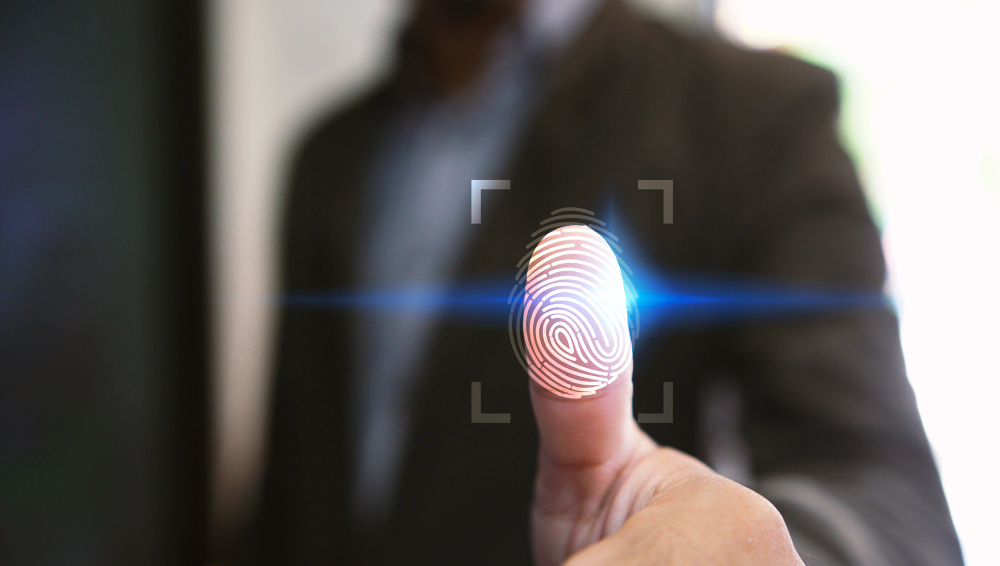
A person wearing a suit is using their thumb to activate a biometric fingerprint scanner. A glowing digital overlay highlights the fingerprint, with a blue light scanning horizontally across it.

Like this article?

Share on Facebook
Share on Twitter
Share on Linkdin
Share on Pinterest

Leave a comment

recent articles

A young girl holds an American flag while sitting among a group of people, including immigrants, at a patriotic event. The girl looks to the side, surrounded by individuals holding flags and wearing red flowers, with a U.S. flag displayed in the background.

FINRA, FBI, and More: Agencies That Accept Our Fingerprints

FINRA, FBI, and More: Agencies That Accept Our Fingerprints Navigating identity verification requirements for federal and financial institutions can be overwhelming — but we’re here to help. Our mobile fingerprinting